A growing community, rooted in lived experience
Where you live shouldn’t decide what support you get after brain injury.
As Headway London, we’ll build on what already works – strengthening our community in East London, developing a new centre in South East London, and growing in parts of the city where support is hardest to access.
This isn’t about expanding for the sake of growth; it’s about maintaining our magic, and making sure nobody falls through the cracks.
“Too many people do not receive early help. Some people never hear about support at all.
To change this, we will work closely with local boroughs, NHS teams and community groups. We will create long-term partnerships across London, helping people get the right support at the right time. And we will actively connect with communities we do not yet reach.”
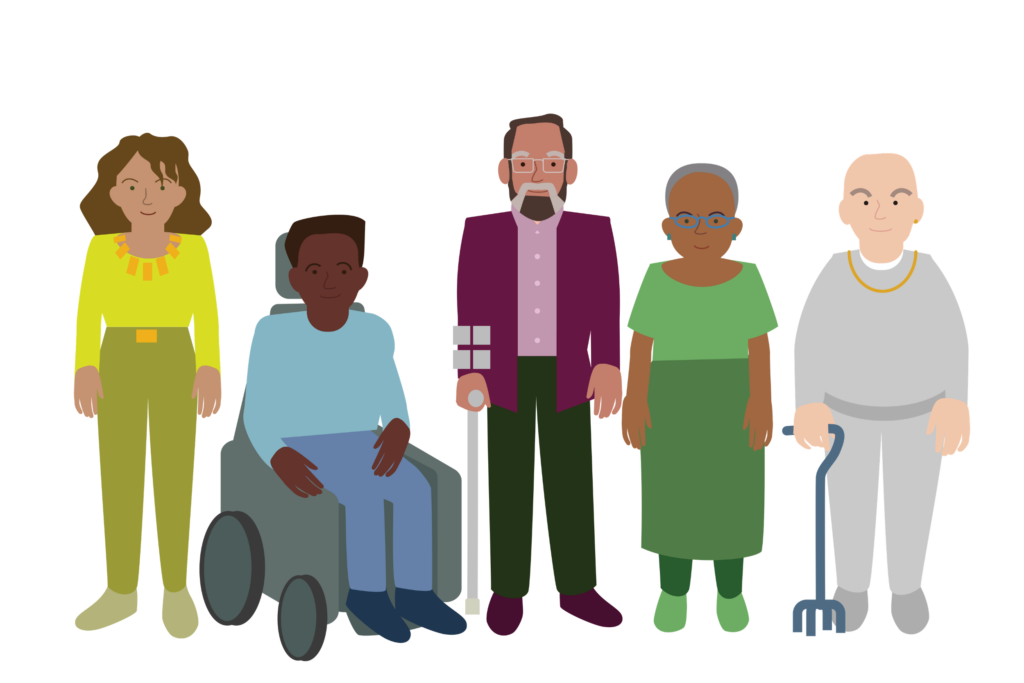
Dean, Innez, Freddy, Dolores and Matthieu – Headway London (East) members
Together we have agreed on six aims for the organisation as we move forward and develop our work:
1. Grow What We Have and Share It Thoughtfully
2. Build Relationships Across London
3. Make Access to Support Fairer for Londoners
4. Grow Our Specialist Projects, Keeping Their Magic
5. Build a Financially Strong Future, True to Our Values
6. Create a Research & Learning Hub, Powered by Lived Experience
Our work in East London has been shaped over years by the people who walk through our doors: their stories, their ideas, and their humour.
Before anything else, we’ll keep strengthening what already exists here. That means nurturing our teams, deepening the roles of people with lived experience across the organisation, and making sure our centre, the hub of our activity, stays a place where people feel grounded, supported and proud to belong.
As we grow, we won’t simply “copy and paste” the East London model elsewhere. Instead, we’ll plant the seeds of what works here and support new communities to grow something that feels true to them.
Our first step in 2026 will be establishing a new community day centre in South East London that reflects local culture, local needs and the voices of people with brain injury in that part of the city. The learning from this will shape how we support other under-served areas in the future.